
Both GAAP and IFRS emphasize providing detailed disclosures to inform users about the nature of the change and its effect on historical financial data. Detecting accounting errors often relies on a set of indicators that signal discrepancies. These may include inconsistencies in account balances, unusual fluctuations in financial statement line items, and variances between expected and reported figures. Reconciliation of accounts is a common practice that can reveal differences needing investigation. Additionally, feedback from auditors, discrepancies noted during inventory counts, and alerts from internal control systems can also point to the presence of errors. For financial statements of periods in which there has been a change in reporting entity, an entity should disclose the nature of and reasons for the change.
Income Statement
The process of correcting errors begins with a thorough review and reconciliation of financial statements. This involves cross-checking entries, verifying calculations, and ensuring that all transactions are accurately recorded. Once errors are identified, appropriate adjustments must be made to the financial records to reflect the correct information.

Step 2 – Assess Materiality of Error
- This publication is distributed with the understanding that CBIZ is not rendering legal, accounting or other professional advice.
- This happens when a financial transaction isn’t recorded and so isn’t part of the documentation.
- In financial accounting, the process of correcting such mistakes is known as Rectification of Errors.
- This process not only ensures compliance with regulatory standards but also helps in maintaining investor confidence and protecting the company’s reputation.
- It arises when there is an error in amount in the source document before posting to the ledger.
Additionally, when evaluating the materiality of an error in interim period financial statements, the estimated income for the full fiscal year and the effect on earnings trends should be considered. Earnings trends may include consecutive quarter, year to date and year over year comparisons. The correction of contra asset account an error may also impact other trends, such as changing net income to a net loss (or vice versa) or causing a registrant to miss analyst expectations.
What is a correcting entry?
Rectifying errors ensures that financial statements adhere to these standards, avoiding legal issues and penalties. Errors in these statements can lead to incorrect conclusions about the company’s performance, affecting decision-making and planning. Accurate records ensure that stakeholders have a true and fair view of the business. Technology plays a pivotal role in reducing errors by automating routine tasks correction of errors in accounting and providing real-time insights. Cloud-based accounting software, such as Sage Intacct or NetSuite, can streamline processes and minimize human intervention.
These types of errors require lots of time and resources to find and correct them. Bookkeeping for Painters Navigating these intricate rules can be challenging, leading to unintentional non-compliance or misapplication of accounting principles. This complexity often requires specialized knowledge, which may not always be available within an organization. Also note that the balance sheet will present the corrected amounts for the vehicle, accumulated depreciation, income taxes payable, and retained earnings with the 2021 comparative column labelled as “restated.”
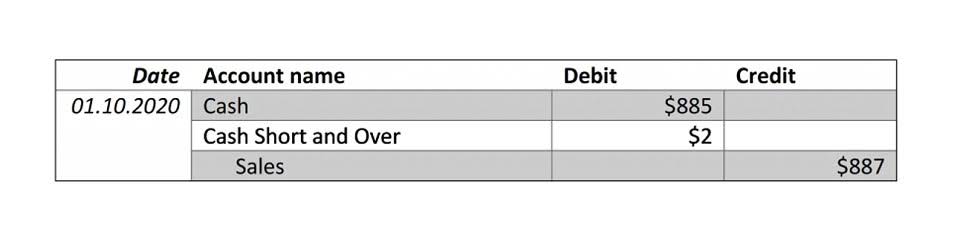
Cash Receipts
You need to identify several details before making a correcting entry, including the type of mistake and the number of accounting periods it affects. The integrity of financial reporting hinges on the company’s commitment to transparency and accountability. By prioritizing the detection and correction of errors, organizations can build trust with investors, regulators, and other stakeholders.
Intermediate Financial Accounting 2

Identifying payroll errors is the first crucial step in addressing any discrepancies in accounting. This involves thoroughly reviewing payroll reports and comparing them against employee timesheets and records. Ensuring accuracy in this initial review can help prevent further complications. Common issues include incorrect data entry, miscalculated overtime, or misapplied tax rates.

- Implementing checks and balances, such as segregation of duties and regular reconciliations, can prevent errors from occurring in the first place.
- That said, accounting errors will still happen no matter how thorough and frequent your reviews.
- Such errors can result in fines, interest charges, and strained relationships with tax authorities.
- Furthermore, case studies demonstrate the corrective actions taken to rectify financial reporting errors.
- For example, updating the estimated useful life of an asset affects depreciation expense moving forward, providing a more accurate reflection of current realities.
- Identifying and rectifying these errors promptly ensures that stakeholders can make informed decisions based on accurate financial information.
- And CBIZ, Inc. and its subsidiaries, including CBIZ Advisors, LLC, provide professional services.
These platforms often include features like automated reconciliations and integrated compliance checks, which enhance accuracy. Additionally, using data analytics tools can help identify trends and anomalies, enabling organizations to address potential issues before they escalate. Errors can either be small mistakes that don’t affect the overall figures or ones that snowball into greater miscalculations and need more time and resources to identify and repair. Accounting mistakes can keep your small business from running smoothly and hurt growth so it’s important to learn the common types of accounting errors and how to correct them.
